Training Options
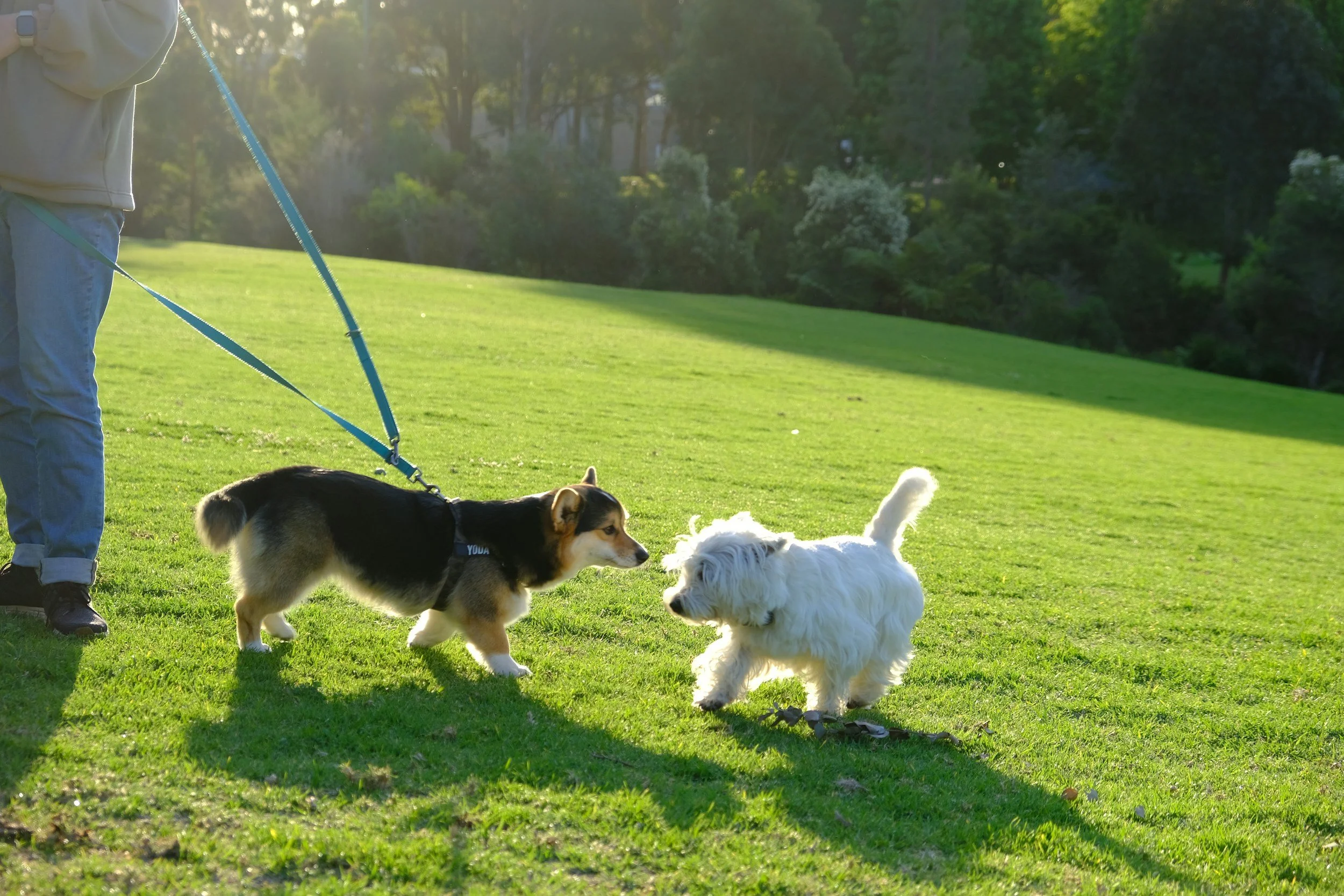
Leash issues are one of the most common challenges dog owners face. I work with dogs that struggle with leash reactivity, loose leash walking, and dog-to-dog aggression on walks by focusing on structure, clear communication with the dog, and negative and positive reinforcement
Leash Reactivity
✳︎
Leash Aggression
✳︎
Loose Leash Walking
✳︎
Training Options
Leash Reactivity ✳︎ Leash Aggression ✳︎ Loose Leash Walking ✳︎ Training Options
Leash Reactivity
Common Triggers I work with:
Dogs on walks, at parks, behind fences
People on bikes, scooter, or in cars
Cats or other animals like bunnies
This service may include these tools: Prong Collar, Gentle Leader, muzzle, slip lead, and/or treats
What does a session look like?
Training sessions may include structured walks, controlled exposure to triggers at a safe distance, handler coaching, and practical exercises that can be repeated between sessions. Each dog is worked at their individual pace to prevent overwhelm and setbacks.
Be aware you will need to work with the dog at home
What is Leash Reactivity?
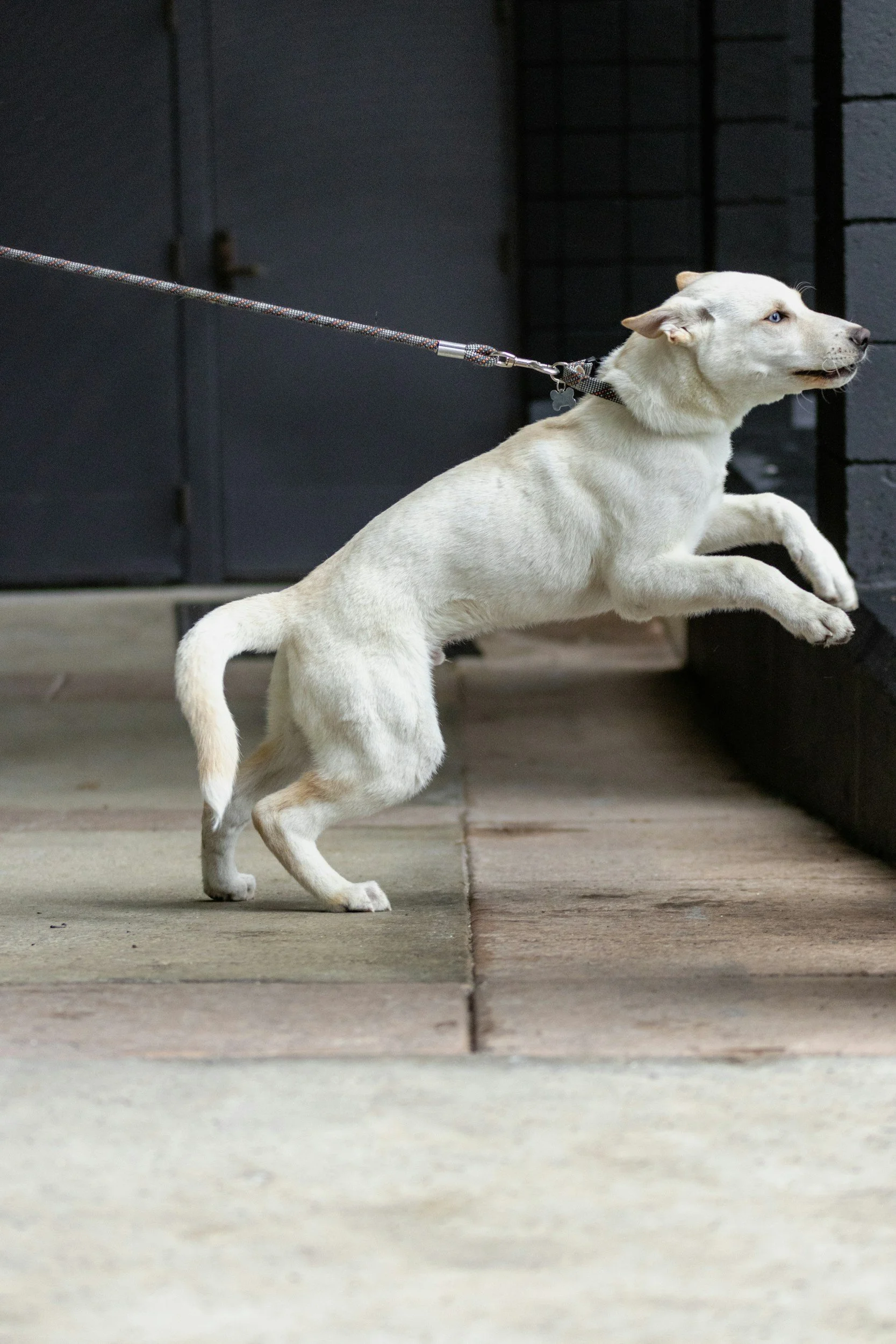
Leash reactivity occurs when a dog responds intensely to certain triggers while on leash. This can include barking, lunging, growling, freezing, or pulling toward or away from another dog, person, or object. Reactivity is often rooted in frustration, fear, lack of impulse control, or past experiences—not “bad behavior.”
I have hands-on experience working with dogs that become reactive on leash, including barking, lunging, or fixating on other dogs or people. My approach focuses on identifying triggers, managing distance, and positive and negative reinforcement.
Leash Aggression
Common Triggers I work with:
Dogs on walks, at parks, behind fences, parallel walking
Other dogs reacting first
Dogs approaching quickly
Resource guarding (food, territory, owner)
This service may include these tools: Prong Collar, Gentle Leader, muzzle, slip lead, and/or treats
What does a session look like?
Training sessions may include structured walks, controlled exposure to triggers at a safe distance, handler coaching, and practical exercises that can be repeated between sessions. Each dog is worked at their individual pace to prevent overwhelm and setbacks.
This service is for specific dogs! For: dogs who show aggression on the leash or off the leash, owners who want a safer and calmer dog around people and dogs, dogs that struggle with recourse guarding.
What is Leash Aggression?
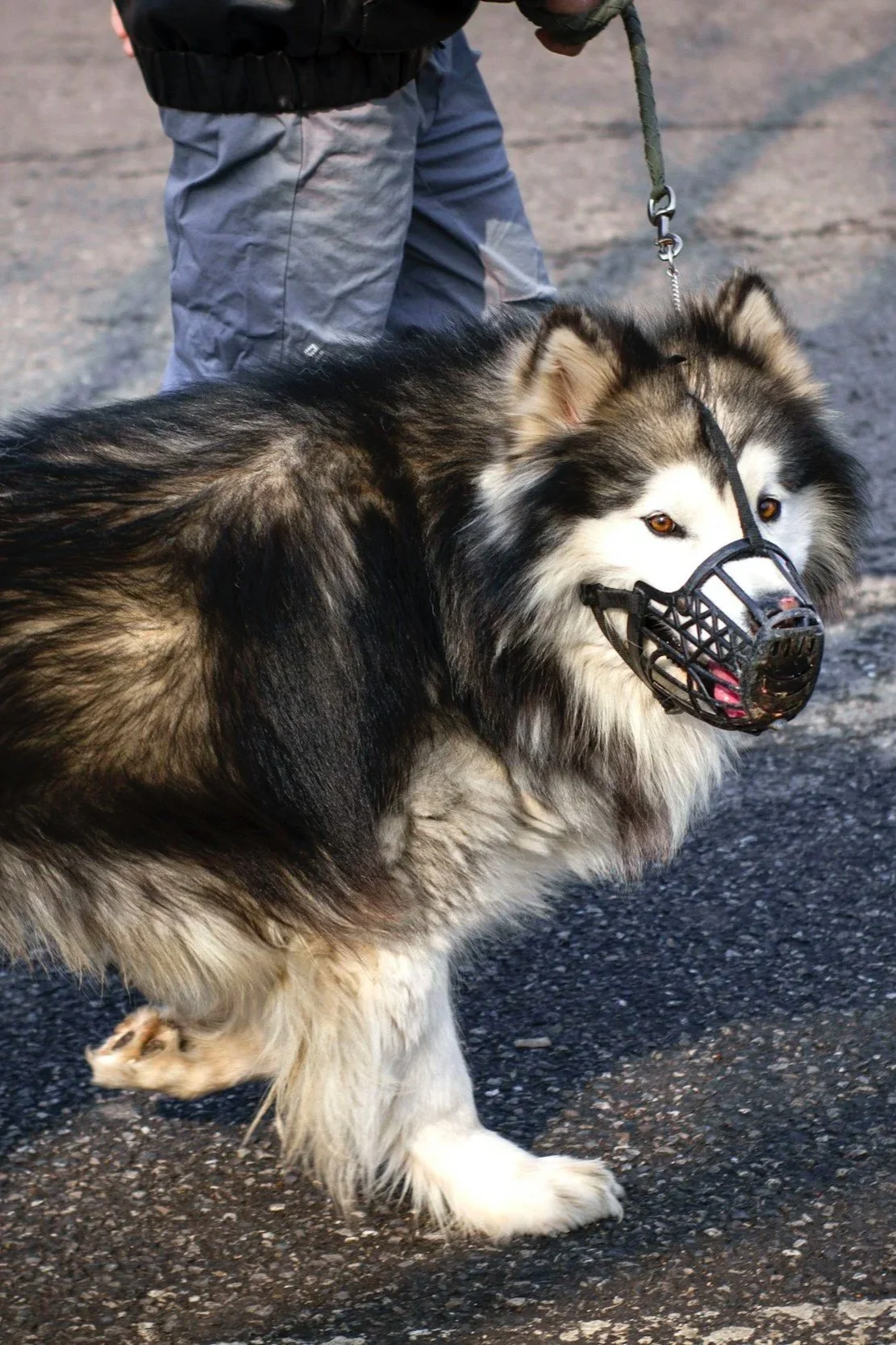
Leash aggression refers to aggressive behaviors that appear specifically when a dog is restrained on a leash. These behaviors may include hard staring, growling, snapping, barking, or lunging toward other dogs. In many cases, these behaviors are influenced by frustration, fear, resource guarding, or past experiences while on leash.
My work with leash aggression focuses on reducing tension, increasing handler control, and teaching the dog how to communicate. Training is structured, intentional, and based on positive and negative reinforcement.
Loose Leash Walking
Common challenges I work with:
Constant pulling or surging ahead
Zig-zagging around your legs
Fixating on scents or distractions
Ignoring cues and commands
This service may include these tools: Prong Collar, Gentle Leader, slip lead, and/or treats
What does a session look like?
Training sessions may include structured walks, handler coaching, and practical exercises that can be repeated between sessions. This service focuses on leash pressure and positive and negative reinforcement.
This service is suitable for dogs of any age or breed. I have experience with large dogs who pull hard. Whether it is a puppy learning basics, an adolescent dog being stubborn, or an adult dog who never learned how to walk on a leash, it doesn’t matter if the dog is 20 pounds and goes where they want, or a 150-pound mastiff that surges ahead. I got you covered.
Why loose leash walking matters:
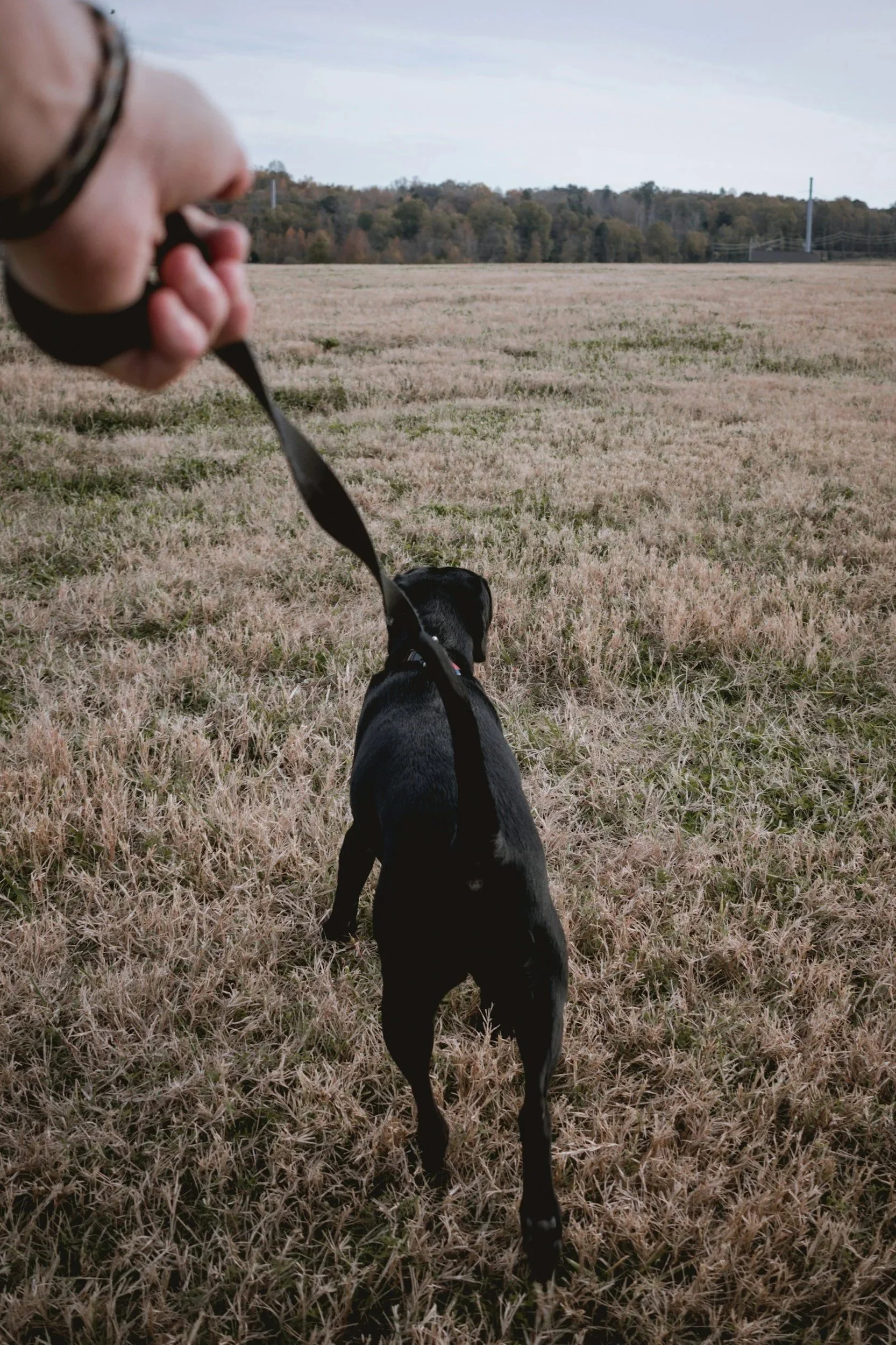
Loose leash walking is more than just preventing pulling. It creates calmer walks, clearer communication, and a safer experience for both the dog and handler. Dogs that understand leash manners are better able to focus, respond to guidance, and move throughout their walk without constant tension on the leash.
I teach loose leash walking through structure, consistency, and clear expectations. Training focuses on helping the dog understand appropriate pacing, leash pressure, and engagement with the handler, while focusing on positive and negative reinforcement.
Which Service is the One for You?
Leash Aggression:
Shows aggressive behaviors like lunging, snapping, growling, etc
Escalating near triggers
Fixating from a long distance
Needs a muzzle
(Muzzle training included)
This service may include these tools: Prong Collar, Gentle Leader, muzzle, slip lead, and/or treats
Can I handle the dogs?
I have been working as a dog trainer for over a year, and I am still learning. In this time, I have dealt with dogs over 80lbs, and have experience with aggressive dogs, reactive dogs, and fearful dogs. I trained my own dogs, and they are still training, and they will never stop. Please know that I can 100% help with your dog. If they have aggression, I will suggest muzzle training, which I can do for a discount or add on to aggression or reactivity training.
Warning: I use multiple types of training methods, personalized to each dog’s needs, and the owner’s comfort.
Leash Reactivity:
For dogs who bark, lunge, whine, or fixate at a trigger
Become over stressed or excited on walks
Fixate on a trigger from a long distance
DOES NOT snap at triggers
This service may include these tools: Prong Collar, Gentle Leader, muzzle, slip lead, and/or treats
Loose Leash Walking:
Constant pulling or surging ahead
Zig-zagging around your legs
Fixating on scents or distractions
Ignoring cues and commands
This service may include these tools: Prong Collar, Gentle Leader, muzzle, slip lead, and/or treats
Get In Touch
If you're interested in working with me, complete the form with a few details about your dog. We'll review your message and get back to you as soon as possible.